Affordability is only one part of the passenger experience
A fares freeze is a significant public-facing decision because it addresses the cost of using the railway. National Rail explains that regulated fares in England have been frozen until March 2027, with exclusions and differences in coverage. That distinction matters: not every journey or ticket type is included, and passengers need accurate information about what the announcement means for their own travel.
Price is also not the only measure by which a railway is judged. Passengers want to know that the ticket they buy is appropriate, that services will be delivered as expected and that they will be treated fairly if a problem arises. Freezing some fares can create a positive expectation, but sustaining confidence depends on how the wider experience compares with it.
Clear communication becomes more important
An announcement about fares can be interpreted more broadly than its detailed conditions allow. Travellers may understandably assume that all ticket prices are unchanged. Frontline teams may then be asked to explain differences between regulated and unregulated fares, ticket restrictions or route-specific arrangements. If those explanations are difficult to find, frustration may arise even where the fare itself has been applied correctly.
Operators and industry bodies therefore need consistent, accessible information across purchase systems, websites and staff guidance. Good communication is particularly important where ticket categories or time restrictions are already complex. A clear answer given before purchase is generally preferable to resolving a dispute during an inspection.
What it means for revenue protection
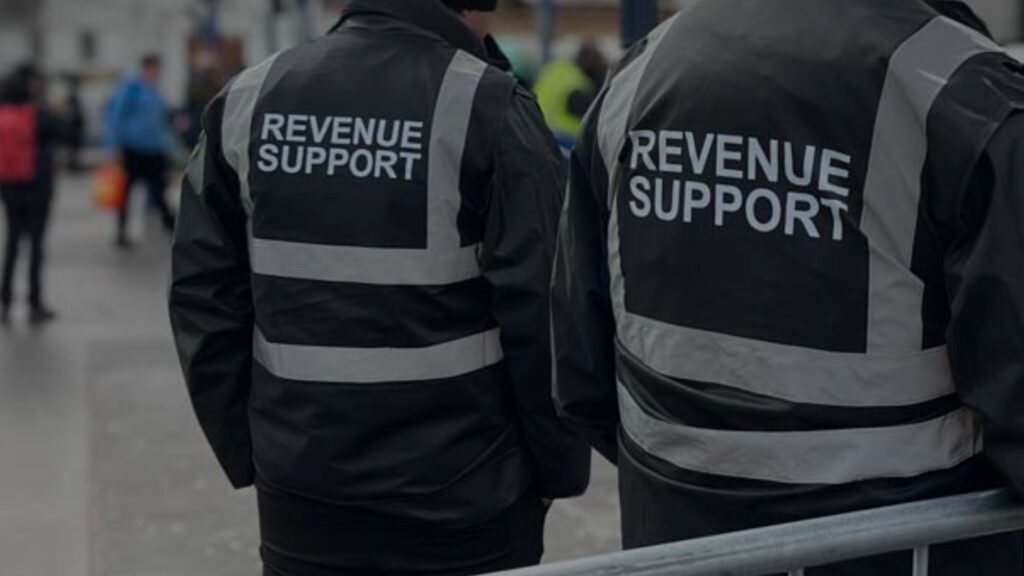
Changes in public expectations can affect passenger interactions. A traveller surprised by a particular price or restriction may challenge the rules or believe that an error has occurred. Revenue protection staff need reliable, up-to-date guidance and a fair way to document relevant circumstances.
The underlying principles remain the same. Evidence must be recorded accurately, decisions must follow the applicable rules and passengers need an understandable route for review. A digital workflow can support the officer by presenting the necessary questions and preserving a clear account, but it must reflect current policy rather than an outdated interpretation of it.
Fairness needs to run through the whole process
Fairness is not confined to the immediate interaction. It is also visible in correspondence, complaint handling and appeals. If an incident is escalated, reviewers need to see which ticket conditions applied, what information was available to the passenger and how the original decision was reached. Disconnected systems can make this harder by separating source evidence from later case history.
A coherent process supports consistent review and makes it easier to identify when a rule or communication has caused recurring confusion. It also helps organisations explain decisions clearly, even when the outcome is not the one a passenger hoped for.
Delivery remains the real test
A fare policy cannot substitute for reliable operations. Passengers will continue to judge the railway through punctuality, connections, accessibility, customer information and responses to disruption. Technology has a useful role in those areas when it helps operational teams work from accurate information and understand changes in real time.
This illustrates a wider challenge for the industry. A better passenger proposition needs to connect pricing, service delivery, frontline decisions and the processes that follow when something goes wrong. Improvements made in isolation can be weakened by inconsistency elsewhere.
Building trust through coherent operations
The fares freeze is an opportunity for the industry to demonstrate how policy can translate into a better everyday experience. That calls for clarity about what is covered, proportionate treatment when questions arise and sustained attention to the quality of service passengers receive.
Trust is built through repeated experiences rather than individual announcements. Fair rules, reliable information, professional staff and connected operational processes all contribute. The measure of success will be whether passengers feel that the railway offers understandable value and keeps its promises.
Next step: Read about ITAL's approach to Revenue Protection, Appeals Management and operational Reports.