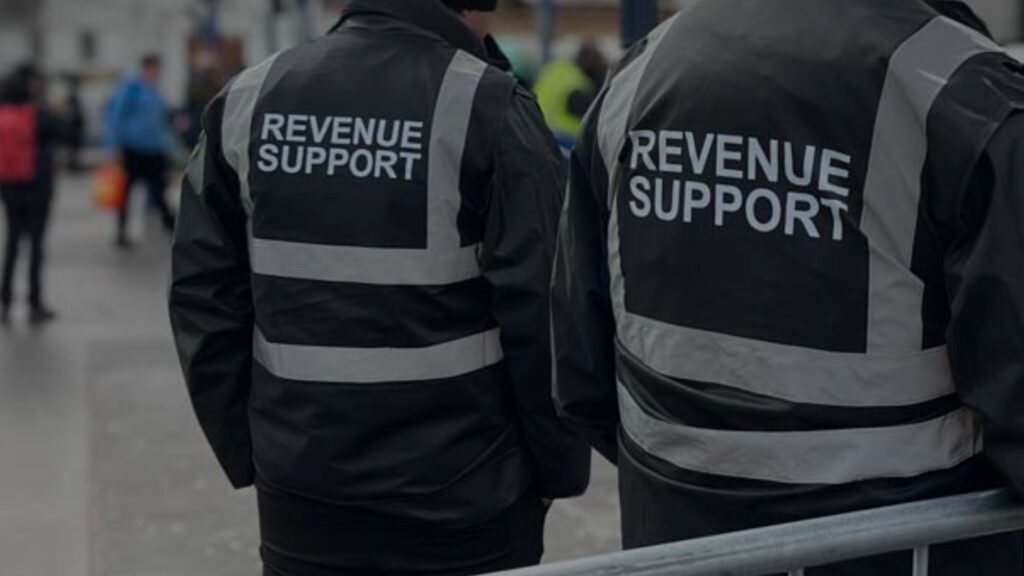
Fare policy reaches the frontline
Fare structures, eligibility conditions and ticket restrictions are often discussed as matters of pricing or passenger choice. Their effects are also felt by frontline teams. Whenever products or conditions change, staff need to understand the rules, customers need reliable explanations and back-office colleagues must be able to interpret decisions made in different situations.
Even changes introduced to simplify travel can create a transition period during which older expectations and new arrangements overlap. A passenger may believe a familiar journey is still covered by the same ticket condition. A member of staff may be dealing with several versions of a policy across different services. The challenge is not just writing clear rules, but ensuring those rules are usable across the entire operational process.
Passenger behaviour reflects understanding as well as incentives
People respond to price, convenience, perceived fairness and the clarity of available choices. If ticket conditions are difficult to find or explain, some irregularities may arise from misunderstanding rather than deliberate intent. Conversely, poorly controlled processes can create opportunities for intentional avoidance. A sound compliance strategy needs to recognise this range of circumstances without making assumptions about individual motives.
Transport organisations can reduce avoidable confusion through good communications, consistent signage and clear digital purchase journeys. They can also support officers with accessible information about current conditions and escalation routes for ambiguous cases. Compliance improves when the system is understandable before an intervention becomes necessary.
The practical consequences of policy change
An updated fare condition should trigger more than a change to a public-facing web page. Training material, mobile workflows, correspondence templates and case-handling guidance may also need review. If these elements are updated at different times, a passenger could receive contradictory information from different parts of the organisation.
Change management therefore deserves a formal place in revenue protection planning. Teams should identify the documents, data fields and decision points affected by the new policy. They should test how an officer encounters the change in practice, how a reviewer sees the evidence and how an appeal would be considered. These operational details determine whether a policy is implemented consistently.
Appeals can reveal what is not working
Appeals and enquiries are often viewed primarily as cases to resolve. They can also reveal recurring sources of confusion. Repeated disputes about a particular restriction, location or ticket type may suggest that passenger information needs attention. That insight is most useful when the original interaction, customer explanation and final outcome can be reviewed together.
A connected record helps distinguish a problem with policy, communication or enforcement practice. It does not remove the need for human review. Instead, it allows appropriate teams to base their decisions on clearer evidence and to share learning where patterns emerge.
Measuring change without drawing easy conclusions
Organisations may wish to know whether new fares or rules have improved compliance. That question is not straightforward. Inspection activity, passenger numbers, routes and seasonal demand may all change at the same time. Comparing totals without accounting for those differences can produce misleading results.
Useful analysis should establish what was measured before the change and which indicators remain comparable afterwards. It should consider feedback from frontline teams and passengers alongside numerical outcomes. Reliable reporting is less about finding one decisive figure than understanding a range of signals over time.
Designing for adaptability
Fare policy will continue to evolve, and operational systems need to accommodate change without becoming progressively harder to use. Configurable workflows, clear version control and manageable guidance updates can help organisations respond. The important principle is to preserve consistency between what policy says, what frontline staff do and what case handlers subsequently assess.
When that connection works, revenue protection can remain fair and effective even as the wider ticketing landscape changes. The strongest operational foundations are not those that assume the rules will stay fixed, but those that can adapt without losing clarity or accountability.
Next step: Read about ITAL’s Revenue Protection and Appeals Management capabilities.