Different responsibilities, familiar operational questions
Local authorities and transport operators do not have identical functions. They may work under different legislation, policies and governance arrangements. A transport enforcement officer dealing with a passenger incident may have very different powers from a local authority officer responsible for another form of civil enforcement. Yet the processes surrounding their work often involve similar operational questions.
What happened, where and when? Which rule or procedure applies? What information is required to support a decision? Who needs to review it next? How will the organisation demonstrate that the outcome was considered fairly? These are questions of operational design as much as enforcement policy, and they explain why the technology needs of different public-facing services can overlap.
The first record carries long-term value
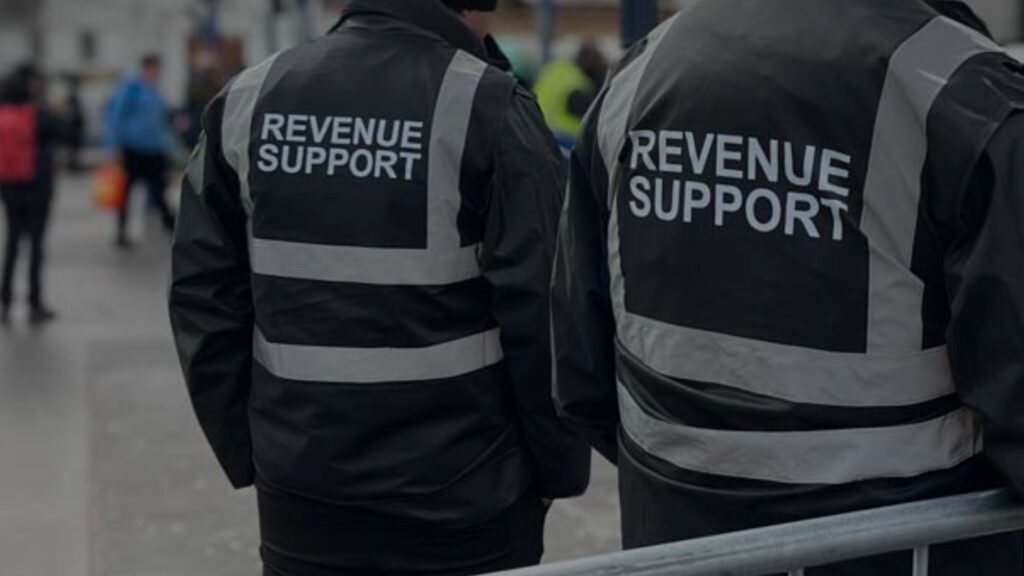
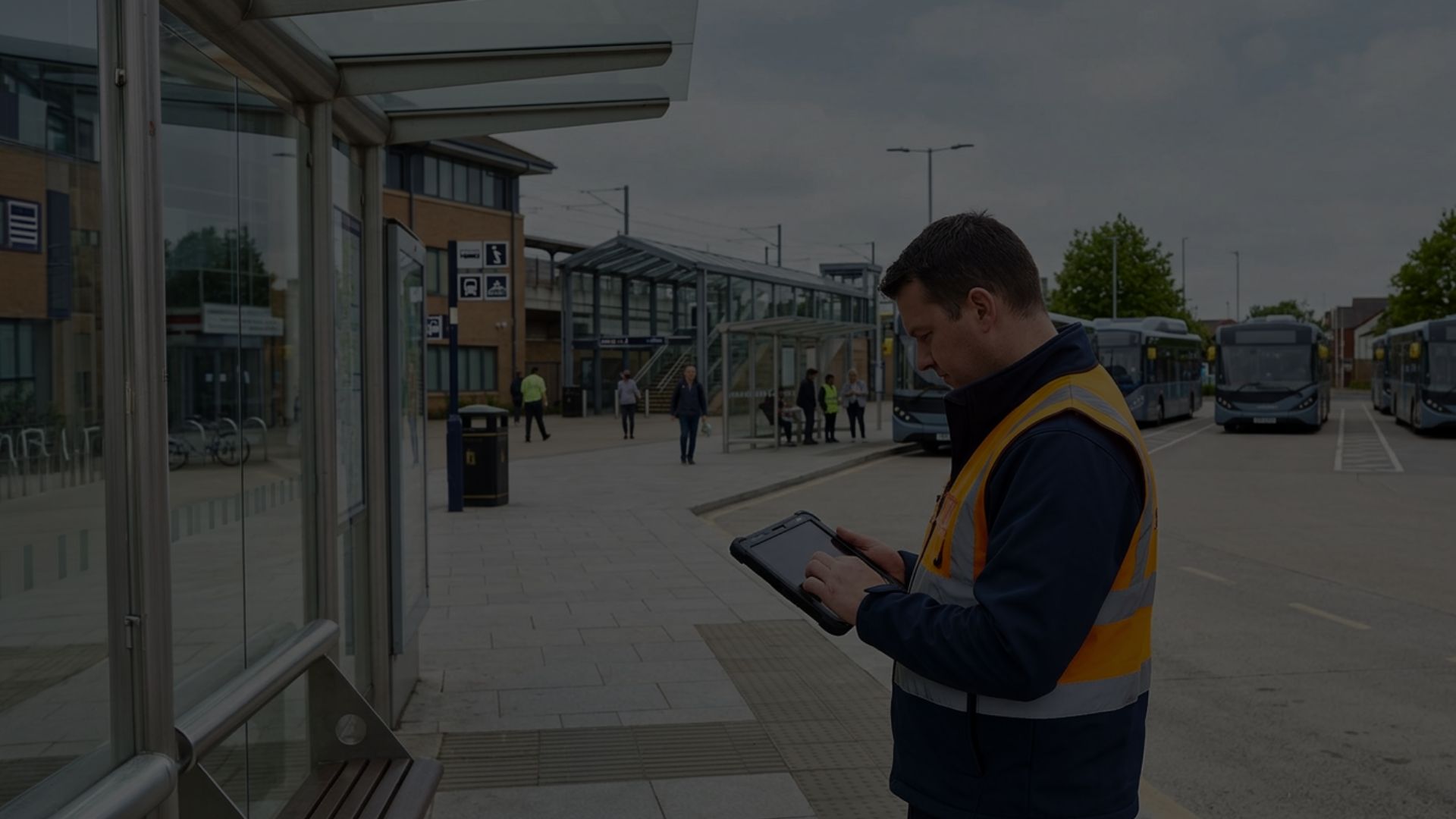
Field officers frequently work in conditions that make record keeping difficult. An interaction may be brief, interrupted or emotionally charged. The information recorded at that point may later need to be understood by a colleague with no direct knowledge of the event. Clear and contemporaneous records reduce uncertainty, but only if the capture process is practical enough to use properly.
Structured mobile forms can guide officers through information appropriate to the specific activity, with validation and space for relevant observations. The design should reflect the lawful powers, evidence requirements and safeguarding considerations of each use case. A shared technological approach should never become a reason to blur important differences between enforcement regimes.
The workflow continues after the officer leaves
A completed report often triggers review, correspondence, case progression or management oversight. Different departments may then need access to the same underlying facts. When each stage relies on re-entering information, administrative effort grows and discrepancies can appear. A connected system can preserve the original record and give authorised teams an appropriate view of its history.
This is where local authorities and operators can learn from one another. Each must balance operational efficiency with accountability. Each benefits when responsibilities and decision points are clear. Each needs a reliable way to distinguish incidents that require further action from those that can be resolved earlier in the process.
Consistency without a one-size-fits-all policy
A well-designed platform can provide common building blocks without requiring identical workflows. Identity or address checks, incident categories, supporting images, supervisor review and outcome recording may all be relevant, but their use must be configured appropriately and lawfully for the service concerned.
The greatest risk is assuming that a form from one environment can simply be transferred into another. Differences in evidential thresholds, appeal routes, data retention and individual rights must be addressed during design. Good technology makes those variations manageable while still providing a consistent experience for the staff using it.
Information for operational improvement
The potential value of field records does not end with each individual case. When information is collected consistently, managers can review recurring problems, understand where cases slow down and identify training or process issues. That learning depends on reliable definitions and careful interpretation. A rise in reports might represent better recording rather than more incidents, for example.
Reporting should therefore link operational activity to meaningful questions. Are staff receiving clear guidance? Do reviewers frequently need more detail? Are particular forms creating avoidable rework? Is information available promptly to people responsible for the next step? Those insights can help public services improve their processes without reducing people to statistics.
A common opportunity: better connections
The opportunity for local authorities and transport operators is not to make their work identical. It is to recognise common operational problems and develop dependable ways to address them. Clear field capture, appropriate workflow controls and connected information can help staff make and review decisions more effectively.
At ITAL, the design of mobile and case management tools has been informed by transport environments where accuracy, speed and accountability matter. The wider lesson is that technology is most useful when it understands the responsibility of the person using it and preserves the context needed by everyone who comes next.
Next step: Explore Apollo and ITAL's approach to Mobile Enforcement and Case Management.