The visible side of railway reform
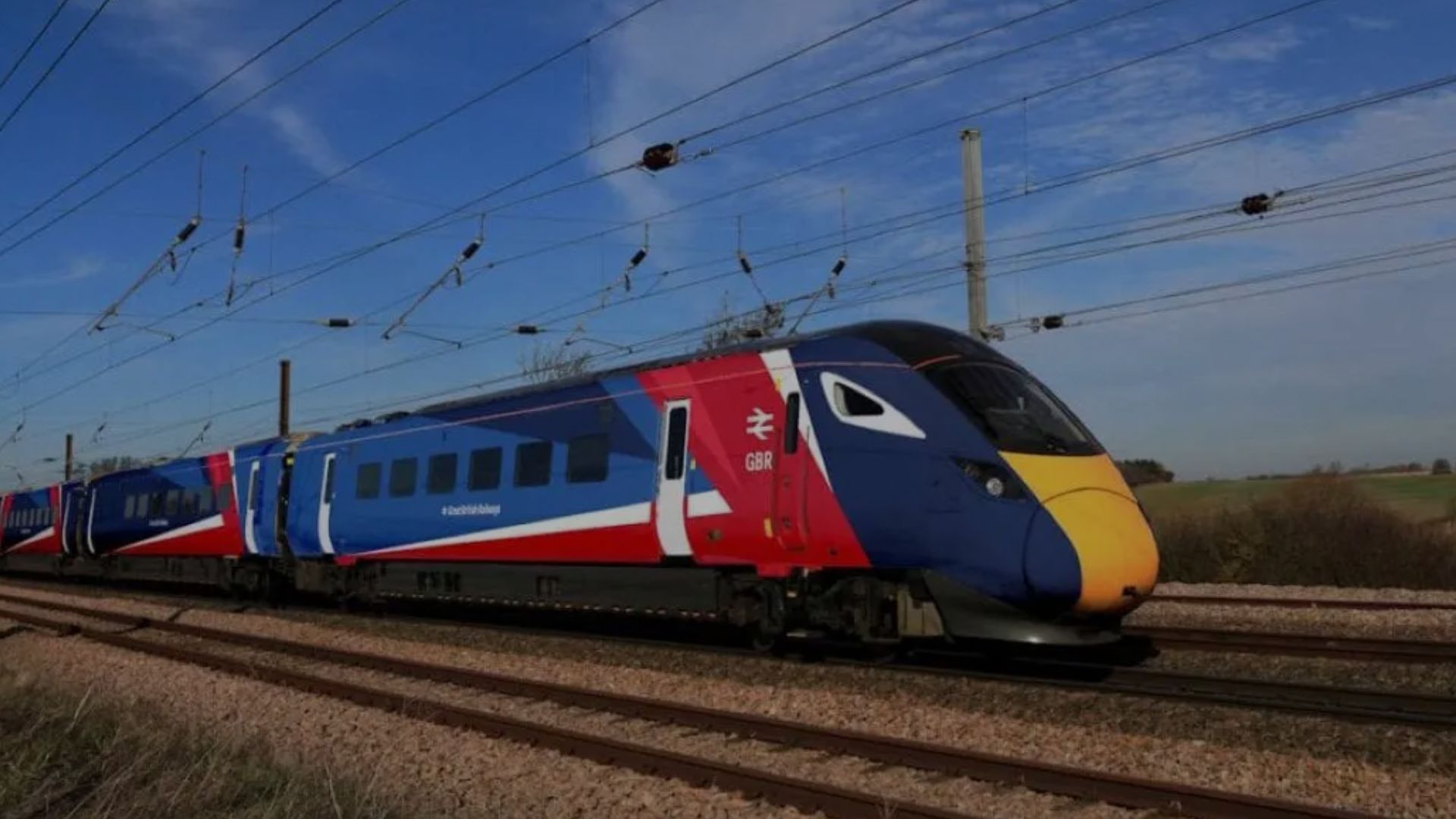
A new livery can capture attention in a way that legislation, governance and software rarely do. Colour, typography and symbols give passengers something immediate to recognise. They also communicate an ambition: a railway that feels less fragmented and more like a coordinated service. For those interested in design, that is a familiar idea. Identity can express a change in direction, but it cannot deliver the change on its own.
The discussion around Great British Railways offers a useful opportunity to distinguish appearance from experience. A coherent identity may help people navigate the railway and understand the organisation serving them. Yet passengers will judge the success of reform by whether information is dependable, journeys are easier to manage and problems are resolved effectively.
Consistency must extend beyond the exterior
A passenger might encounter the same identity on a train, sign, website and platform display. That consistency is valuable, but it becomes less convincing if those channels provide conflicting information. A unified experience needs consistent language, clear responsibilities and dependable data behind the presentation.
The challenge is familiar to any organisation bringing together established systems. Each part may have developed for legitimate operational reasons, but the boundaries between them can become visible to the customer. Work is required to understand those differences and determine where common processes will genuinely improve the service.
The importance of the unseen operation
A railway depends on control room staff, station teams, onboard colleagues, maintenance, customer support and many other specialist functions. They make decisions using information from different sources and according to different responsibilities. If that information is difficult to share, the passenger may experience a gap between what one part of the organisation knows and what another can act upon.
Connected operational systems do not mean every employee needs the same screen or every department the same process. They mean relevant information is available to the people who need it, in a form that helps them act. That principle is just as important during routine service as it is when disruption makes coordination more demanding.
Simplification is harder than it looks
Creating a consistent visual identity requires detailed standards. Creating a consistent operational experience requires an equally disciplined approach to processes, data and decision-making. Existing contracts, local requirements and specialist tools mean that a single solution will not always be appropriate.
A sensible programme begins by identifying where fragmentation causes genuine problems: repeated data entry, delayed handovers, contradictory information or unclear accountability. Improving those connections can deliver practical value without removing the expertise or flexibility needed by different teams. Reform succeeds when the organisation becomes more usable, not merely more uniform.
What could a joined-up experience look like?
Imagine a disruption in which control teams update a service plan, station staff see the current position and customer-facing information changes consistently. Or consider a passenger query where the relevant facts can be understood without the traveller explaining the same issue repeatedly to several departments. These are operational examples of coherence: not a centralised appearance, but connected work.
Technology can support that ambition by reducing information gaps and preserving clear histories of actions. It must sit alongside good training, governance and organisational collaboration. The strongest outcome is one in which the passenger does not need to know how many systems are involved because the overall service feels dependable.
From a promise to an experience
A common livery can be a compelling visual statement of intent. Its deeper significance will depend on whether the industry uses reform to simplify interactions, share information and improve operational decisions. That is a more difficult undertaking than applying a new design, but it is also where meaningful benefits can emerge.
For ITAL, the value of connected operations has always been practical: helping teams access appropriate information and carry out complex tasks with greater clarity. Whatever identity appears on the outside of the train, those underlying needs remain central to a railway that works better for everyone.
Next step: Explore Sheila, Reports and ITAL's wider Our Work capabilities.