The timetable is a promise that operations must deliver
For many passengers, a timetable is the clearest expression of what a railway intends to provide. It sets expectations about departure times, connections and the reliability of journeys. For those running the network, it is an operational plan that must function through thousands of individual decisions, from train and crew availability to platform allocation and disruption response. A change to that plan tests how effectively those decisions are connected.
National Rail identifies Sunday 13 December 2026 as the next planned timetable change. The date itself is only one milestone. Behind it lie planning, testing, customer information, operational briefings and the arrangements needed to handle exceptions once services begin. Changes that appear modest on paper can have implications for staff working patterns, connecting services and local passenger expectations.
Capacity is not only the number of trains
Discussions about timetable improvement often focus on frequency and journey times. Those are important, but capacity also includes the ability of the organisation to operate a service reliably. A timetable depends on rolling stock, people, infrastructure and the practical limitations of the network. Small changes can influence the time available for a train to turn around or the way a delay affects later services.
Good planning therefore needs an accurate view of dependencies. Operational teams must be able to identify where plans are vulnerable and respond when conditions differ from the assumptions used to build them. That response is most effective when control room information is timely, relevant and shared with those responsible for taking action.
Confidence is built when information agrees
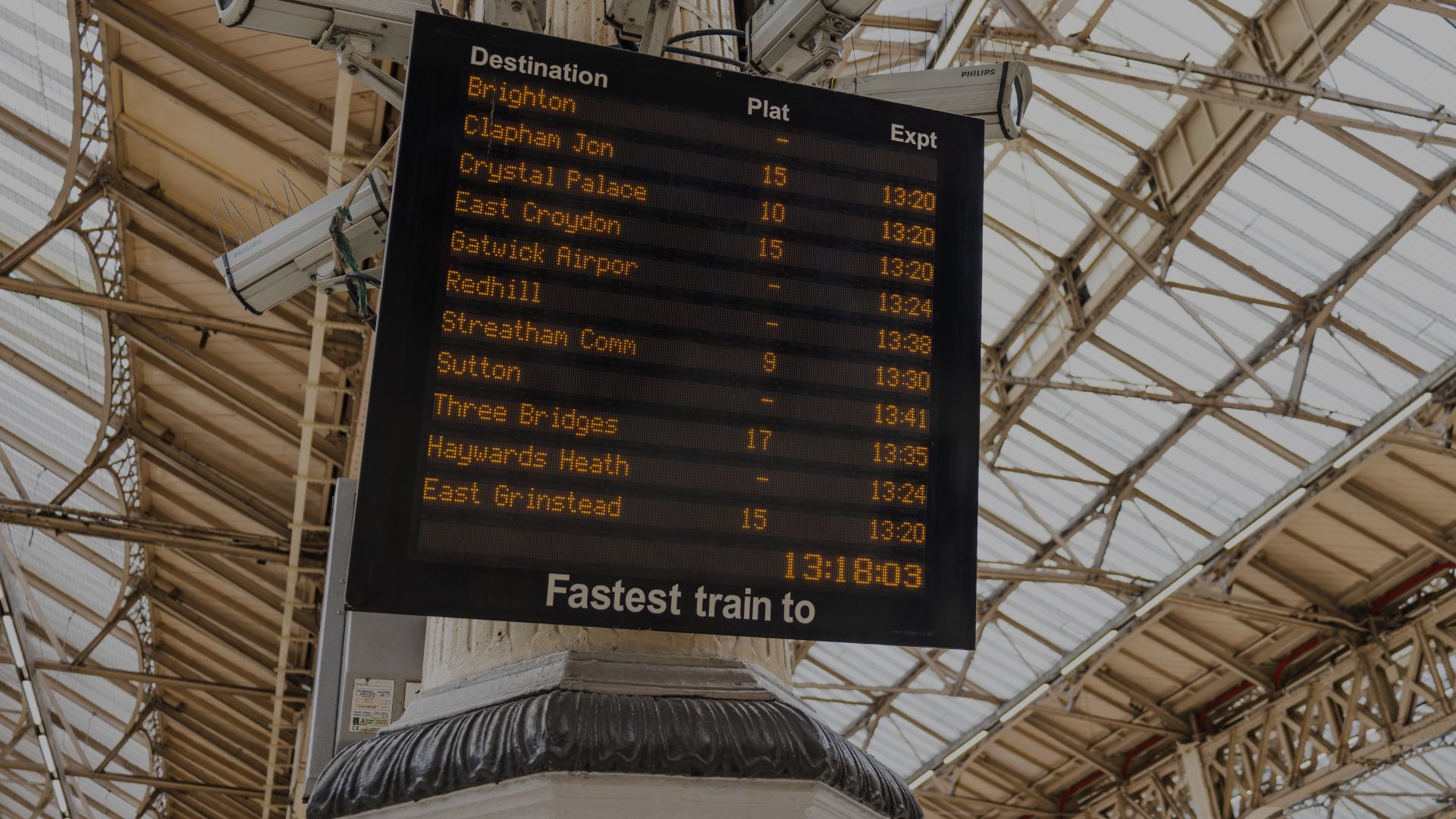
During a timetable change, passengers may consult a journey planner, station display, app, announcement or member of staff. If those sources disagree, confidence can decline quickly. A technically correct timetable is not enough if updates are delayed or local teams cannot explain what has changed.
The same issue affects staff. Control rooms and frontline teams need a common understanding of the service being operated, the latest changes and the actions expected. Where information is scattered across systems, people may spend precious time reconciling messages rather than resolving the disruption itself. Strong operational coordination is built around a dependable shared picture.
Handling the day when the plan changes
Disruption is an unavoidable feature of complex networks. The quality of a railway is not measured only by whether a timetable is achieved in ideal conditions, but also by how effectively teams respond when something goes wrong. Clear priorities, good handovers and accessible information help staff distinguish urgent decisions from routine updates.
Control room technology should support the people managing those decisions. It needs to bring relevant operational information together, make changes visible and reduce unnecessary searching. This does not replace the expertise of controllers or local staff. It gives them better conditions in which to exercise that expertise.
What can operators learn from a timetable reset?
A timetable change provides an opportunity to review more than punctuality. Did affected teams have the information they needed? Were exceptions escalated clearly? Could staff locate a reliable version of the current plan? Were passenger messages consistent? Which processes created repeated calls, duplicated updates or avoidable delay?
Answering those questions requires a combination of operational records and feedback from the people using the systems. Counts alone will not explain every problem. A considered review can identify specific improvements in information flow, release preparation and day-to-day coordination. Those lessons remain useful well beyond the immediate timetable period.
A railway that feels joined up
Passengers rarely see the systems and processes behind a journey. They experience their combined result. When the timetable, operational decisions and passenger information align, the railway feels more reliable and understandable. When they do not, the complexity of the organisation becomes visible at the worst possible moment.
The December change is therefore a reminder that timetable planning and operational technology are inseparable. Real confidence comes from the ability of people, processes and information to keep working together when the plan meets the reality of a busy railway.
Next step: Explore Sheila and ITAL's work supporting Control Room Operations.