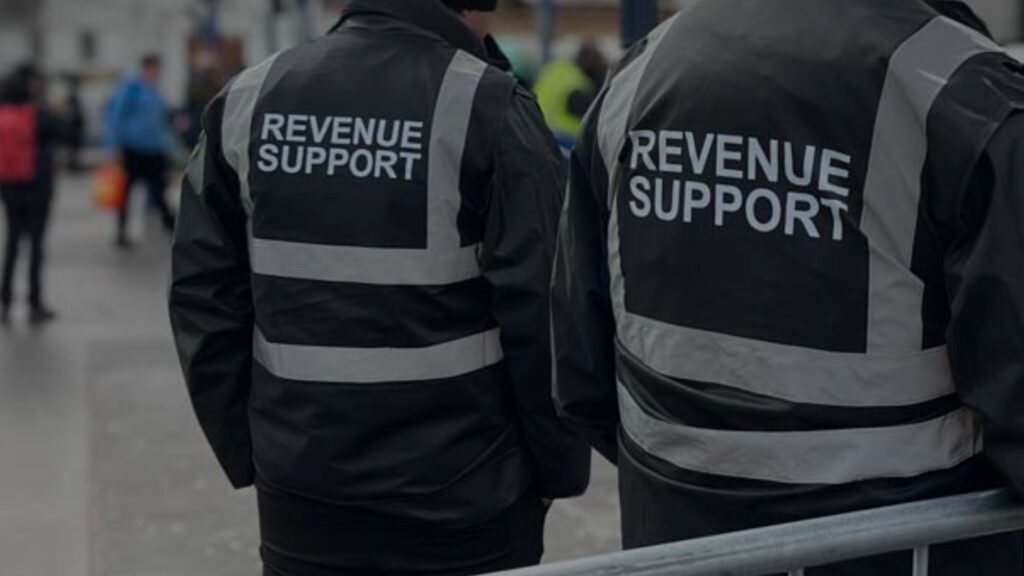
A difficult issue for passengers and transport staff
Antisocial behaviour can have an impact far beyond a single journey. Persistent noise, intimidation, smoking or other disruptive conduct can make passengers feel uncomfortable or unsafe. Frontline officers may need to intervene while continuing to manage their wider responsibilities. The challenge is not simply knowing that a rule exists. It is deciding how to apply that rule fairly, documenting what happened and ensuring any required follow-up is handled properly.
Recent government attention to nuisance behaviour on public transport has brought renewed focus to enforcement. Policy announcements are important because they establish expectations and available responses. Yet the practical work remains with the people responsible for explaining requirements, gathering reliable information and managing incidents in busy, unpredictable environments. A consistent response depends on the systems behind those teams as well as the authority they hold.
From an incident to an evidence-based response
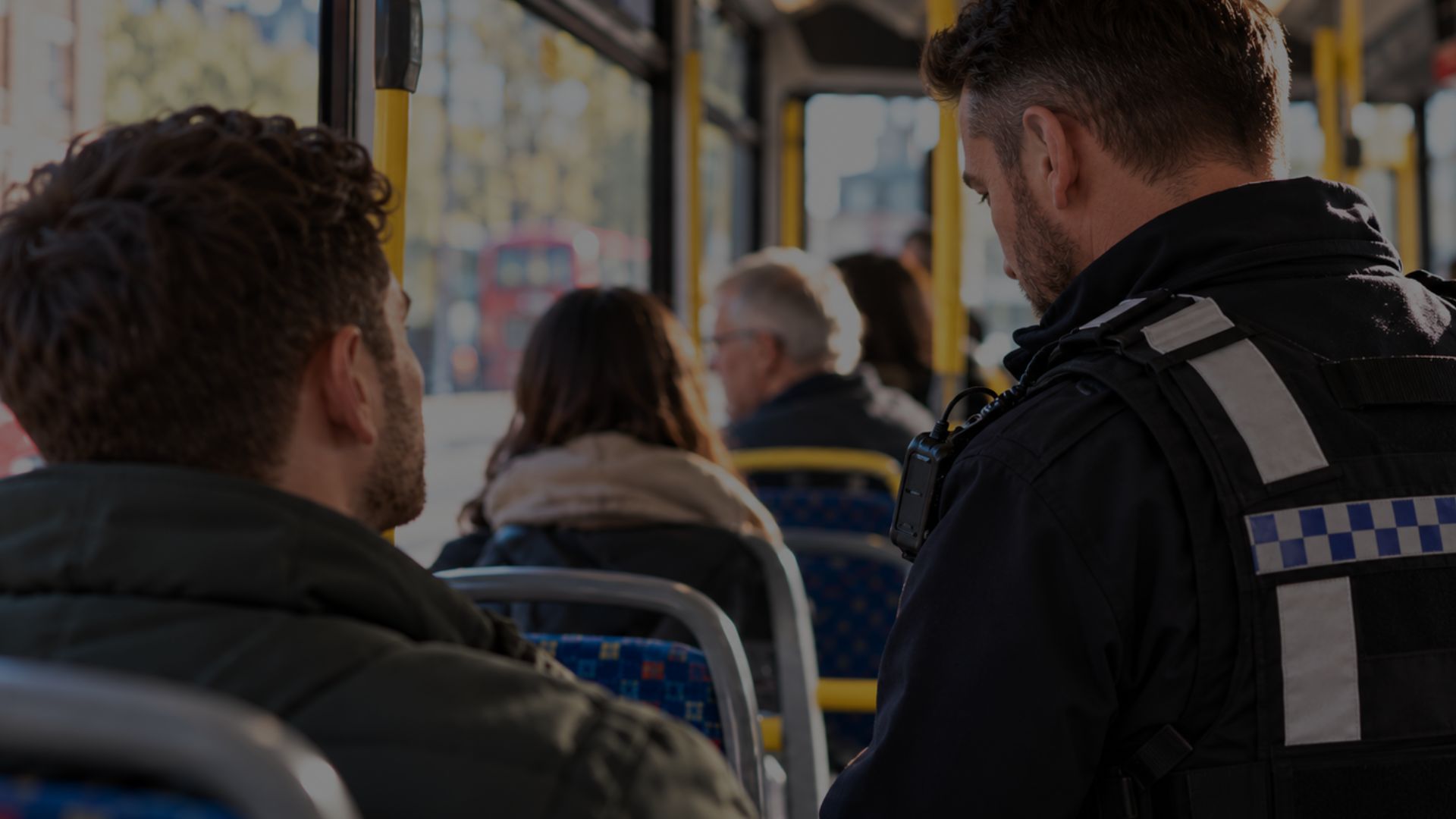
Consider a disruptive incident on a bus. An officer speaks to a passenger, explains the applicable rules and decides whether further action is necessary. If it is, a useful record may need the location, service details, time, nature of the behaviour, people involved, observations made and the actions taken. Depending on the circumstances and lawful powers available, there may also be a need to check identity details, review previous incidents or pass information to another team.
Recording everything after the event increases the possibility of missing or inconsistent information. Paper forms can also create delays when details must be re-entered. A structured mobile workflow can help guide the officer through relevant questions in the moment, supporting a clearer record without creating unnecessary administration. The aim should be to assist the interaction, not distract the officer from the person in front of them.
A fair process needs reliable context
Antisocial behaviour is not one uniform category of incident. Context matters, as do the authority's policies and the circumstances of those involved. Digital processes should reflect that complexity rather than forcing every event into the same outcome. They can guide officers through approved procedures, allow for contextual observations and make clear when an incident should be referred for review.
This is especially important if a report is later challenged or used to support another decision. A reviewer needs to understand what the officer observed and why an action was taken. Accurate, proportionate and contemporaneous records help preserve that distinction. They also provide a foundation for accountability where enforcement decisions have a direct effect on passengers.
Why connected information matters after submission
A completed field report should not be the end of the process. Depending on the organisation, it may need supervisor review, a case management decision, further investigation or inclusion in wider operational reporting. If the report is trapped in a separate application, teams may be left exchanging spreadsheets, emails or manually duplicated records.
Connected workflows make it easier for authorised colleagues to use the same information appropriately. A supervisor can review the incident without reconstructing the facts. A case handler can see the original record and supporting material. A manager can understand emerging patterns without relying on informal summaries. Controls over access, retention and data sharing remain essential, particularly where personal information is involved.
Applying established transport experience to new requirements
The underlying needs are familiar to revenue protection teams: identify an incident, capture relevant facts, apply an approved process, record a decision and make information available to the next person responsible. A new type of behaviour or enforcement power may require changes to the questions asked and the rules applied, but it need not require an entirely separate approach to operational records.
ITAL's Apollo platform is designed around frontline transport workflows, bringing together guided data capture and the ability to support connected operational processes. Its relevance to these challenges is in the underlying design principle: accurate information recorded once, at the point of activity, should remain useful throughout the subsequent process. The exact workflow must always match the operator's requirements and applicable legal powers.
Looking beyond individual incidents
Better information can also support a wider understanding of passenger safety. Consistent incident categories and locations can help organisations identify recurrent issues, review interventions and improve how they support staff. However, numbers should be interpreted carefully. An increase in recorded incidents may reflect improved reporting rather than a deterioration in conditions; a decline may also have several explanations.
The most useful approach is to combine quantitative trends with operational context and frontline feedback. Technology cannot remove antisocial behaviour from public transport by itself. It can help teams respond with greater clarity, consistency and accountability, while giving managers better evidence for decisions about training, support and operational priorities.
Next step: Explore Apollo and ITAL's approach to Mobile Enforcement and connected transport operations.